



Addressing PFAS Contamination in Drinking Water: Navigating the New Federal Drinking Water Rule
Due to their widespread presence in the environment and potential health risks,...




Study the properties of water, master them, and we will create an environment in which nature and humanity are in harmony.
Our purpose inspires us to provide unique value to our customers, society, and the environment.
As part of the Kurita Group, one of the leading industrial water solutions providers in the world, Kurita America brings innovations to market through a Total Solutions approach to water management.
Delivered through the Kurita Way, our Total Solutions approach incorporates all aspects of your facility, including chemistries, equipment, engineering, and services, to get to the root cause of our customers’ most complex challenges to deliver unique value and optimal results. Our goal is to establish long-term partnerships with our customers to maintain a competitive edge while conserving natural resources for a better, more sustainable world.
Learn More about the Kurita WaySign up for our newsletter to stay connected to industry insight articles, case studies, press releases, published articles, videos and more!
SubscribeGone are the days of crumpled, handwritten logs. Kurita America’s eLink reporting and monitoring system allows plant engineers 24/7 access to their system’s operational data to ensure asset sustainability and operational efficiency.
eLinkHelp us serve your better! We’d love to hear from you regarding our service, capabilities and support.
Take Our SurveyOur Safety Data Sheets (SDS) are available upon request. Just let us know where to send it!
Submit a RequestWe can’t wait to meet you! Check out the upcoming tradeshows and events we will exhibiting at, our upcoming webinars, and any customer seminars we are having.
View Upcoming EventsDownload Kurita America’s Equipment Catalog for information on consumables, standard product lines, automation, services, and more! Kurita America offers a broad portfolio of equipment options, and we offer standard and customized equipment for your needs.
Download CatalogKurita America's Latest News
Due to their widespread presence in the environment and potential health risks,...
Kurita America , part of the Kurita Group , a leading global provider of...

A meat processing facility in the Midwest had over seven percent fat in...
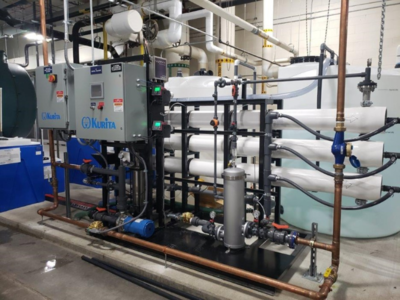
A Central Florida hospital was expanding their new central energy plant...

Seiko Epson in Japan produces and sells printers and related products, and as...